The warehouse is the backbone of a business's supply chain and tenants understand that the wrong building can cause issues even after they close the deal. From stock control to deliveries, limited truck traffic, lack of strength, unreliable electric power or even unclear land-use permission can impact all of these.
In fact, tenants want a warehouse that would be suitable for their businesses, even if that requires some changes or delays in implementation but not a massive expense.
From the strength of the floor as well as access to truck areas, to legal clearance and power supply, everything will play a role in their decision. If a warehouse is being offered for lease to another company, it is crucial to take care of these issues first to get serious lessees interested and make lease negotiations smoother.
Why Tenants Inspect Before They Sign a Warehouse Lease?
A warehouse lease is a long-term business commitment, often lasting for years. Before signing, tenants need confidence that the property will support their operations without even creating unexpected expenses or interruptions. Their inspection generally focuses on 5 key areas:
1. Protection of inventory: Roof leakage, damp walls, poor flooring, and inadequate drainage can expose stored goods to damage and result in financial losses.
2. Operational readiness: Insufficient power, limited water supply or unsuitable loading arrangements can disrupt daily activities and delay dispatches.
3. Legal security: Tenants verify ownership documents, land-use permissions, and applicable approvals in order to avoid disputes that could affect their right to operate.
4. Transportation efficiency: Road width, truck access, loading facilities and connectivity influence vehicle movement, delivery schedules and logistics costs.
5. Long-term occupancy costs: A property requiring extensive repairs, electrical upgrades or structural modifications increases the tenant's initial investment beyond the agreed warehouse rent.
For owners, addressing these concerns before listing a property means fewer objections during inspections, smoother negotiations along with a stronger leasing proposition. It also helps position the property for the right business requirements. If you’re also unsure how to classify your property, read our guide on warehouse vs industrial shed.
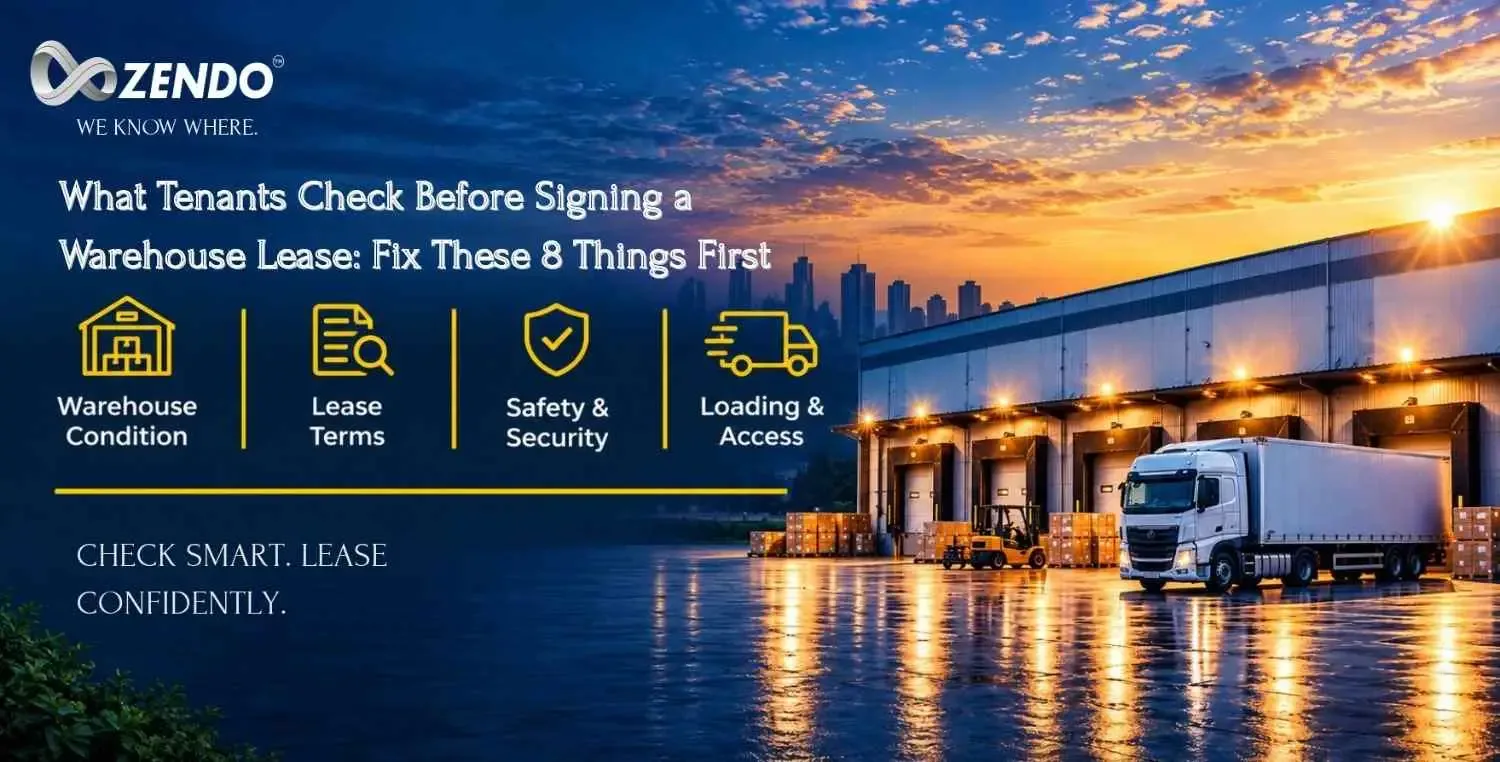
8 Things Tenants Check Before Taking a Warehouse for Lease
A tenant evaluating a warehouse looks beyond its size, location and quoted rent. The real question is whether the property can accommodate their inventory, equipment, workforce and daily movement without expensive changes. Before listing an industrial warehouse for rent or a factory facility, property owners should pay attention to these eight areas.
1. Clear Ownership and Legal Papers
Legal documentation is often the first thing a serious tenant wants to verify. A property might be prime on every dimension but if there is a lack in clarity regarding ownership or restrictions on what can and cannot be done with the land, a transaction may be delayed or never occur. Tenants may request to inspect:
-
Ownership/title documents, establishing ownership rights.
-
Where applicable, land use permissions and CLU.
-
Construction plans and appropriate building permits.
-
Copy of Property Tax Receipts and compliance records.
Ensure these documents are kept tidy, and all property details are the same on all records. For a better understanding, see our guide on documents required for a warehouse rent agreement.
2. Roof, Walls and Flooring Condition
The condition of a warehouse directly affects the safety of stored goods and the cost of occupation. Tenants look for roof leakage, damp patches, wall cracks, damaged flooring and signs of water seepage. Businesses using forklifts or heavy storage racks also need to understand the floor's load-bearing capacity.
Pay particular attention to:
-
Roof joints and corners where leakage may develop.
-
Dampness near walls and floor edges.
-
Uneven surfaces that could affect forklift movement.
-
Floor specifications and suitability for proposed racking loads.
A fresh coat of paint cannot compensate for underlying structural or moisture problems. Address the source of damage before presenting the property.
3. Clear Height, Loading Docks and Truck Access
A warehouse with a large floor area may still offer limited operational capacity if its clear height or loading arrangements are unsuitable. Tenants assess whether their vehicles can enter, manoeuvre, load and exit without unnecessary handling delays.
The following measurements deserve attention:
-
Clear height: Available vertical storage space, excluding roof obstructions.
-
Shutter dimensions: Width and height for vehicle and goods movement.
-
Loading facilities: Dock availability, dock levellers and loading platform height.
-
Truck movement: Approach road width, turning radius and parking space.
Record actual measurements rather than relying on descriptions such as spacious or truck-friendly. These details make a warehouse for lease easier for businesses to assess before arranging a visit.
4. Power Load, Backup and Water Supply
Electricity requirements can vary considerably between ordinary storage, manufacturing and temperature-controlled operations. Tenants generally examine the sanctioned electrical load, transformer capacity, generator backup and water availability. An inadequate connection may mean additional infrastructure investment before the business can begin operating.
Keep the following information available:
-
Sanctioned electrical load and available capacity.
-
Transformer details and generator backup arrangements.
-
Water source and approximate availability.
-
Existing electrical infrastructure and connection details.
If you are marketing the property for machinery-intensive operations or cold storage for rent, be precise about its actual power capacity. Avoid promising suitability without supporting technical information.
5. Fire Safety and Compliance
Fire safety is closely connected to inventory protection, employee safety and regulatory compliance. Tenants can check out fire extinguishers, hydrants, sprinklers, emergency exits and door access for fire vehicles. They may also question if applicable fire NOC and other approvals are obtained.
As a pre-inspection check, assess:
-
Availability and maintenance of fire extinguishers.
-
If hydrants and installed sprinklers are in operation.
-
The condition of any emergency exits and their obstructions.
-
Whether applicable fire approvals and inspection records are available.
Merely having fire equipment on site is not proof of compliance. The arrangement of the property should comply with relevant requirements and/or the purpose of the property.
6. Security, Boundary Wall and Drainage
For businesses storing valuable inventory, security does not end at the warehouse entrance. Tenants assess the entire premises, including boundary walls, gates, lighting, CCTV coverage and access control. Drainage is equally important because waterlogging around loading areas can interrupt vehicle movement during heavy rainfall.
Pay attention to the condition of:
-
Boundary walls, gates and entry points.
-
CCTV cameras and external lighting.
-
Stormwater drains and water outlets.
-
Parking and loading areas where rainwater may collect.
A secure perimeter and functional drainage system reduce avoidable concerns during long-term occupancy.
7. Location, Connectivity and Labour Access
Location influences more than transportation distance. Commercial establishments will assess the accessibility for trucks to the facilities, the flow of products towards the distribution markets and the ease of employee transportation.
The following constitutes a useful property listing:
-
An accurate Google Maps location pin.
-
Distance and routes to nearby highways.
-
Restrictions on access for large commercial vehicles, if applicable.
-
Local industrial facilities, transportation and labour supply.
Bilaspur, Manesar, and Farukhnagar are different places, which can impact the business-based choices of Gurgaon property owners marketing their property. Check out our guide on which are the top belts in Gurgaon for major warehouses.
8. Clear Lease Terms
Even a well-maintained property can lose a prospective tenant if the commercial arrangement remains uncertain. The full cost of occupancy, rather than just the monthly rent. They wish to know what to expect from an escalation, security deposit, lock-in, maintenance and responsibilities during the settling-in process.
In advance of inviting those who would like to rent:
-
Rent Schedule, monthly rent.
-
Conditions for the security deposit and refund.
-
Lock-in and rent increases per year.
-
Regular fees, taxes and utilities.
-
Repair of responsibilities, permitted use provisions and exit provisions.
Write down the proposed terms and stick to them in negotiations. Establishing a clear destiny of business expectations helps to prevent miscommunication, and can assist both the customer and service supplier gauge if the arrangement is financially sound or viable.
Owner's Warehouse Inspection Checklist
Use this owners warehouse inspection checklist to identify issues before advertising your property as a warehouse space for rent. Tick off each item once it has been checked and, where necessary, repaired.
| Inspection area | What to check |
| Legal documents | Ownership, land use, approvals and tax receipts |
| Roof and walls | Leakage, cracks, dampness and structural damage |
| Flooring | Level surface, cracks and load-bearing capacity |
| Loading access | Shutter size, dock space and truck movement |
| Utilities | Sanctioned power load, backup and water supply |
| Fire safety | Extinguishers, hydrants, exits and applicable NOCs |
| Security and drainage | Boundary wall, CCTV, gates and water drainage |
| Lease readiness | Rent, deposit, escalation and maintenance terms |
Correct the checklist's grammarAdd missing warehouse safety checks
Where Owners Face the Most Demand
Industrial belts such as Bilaspur, Manesar and Farukhnagar attract businesses looking for a warehouse for rent in Gurgaon with reliable highway access and logistics connectivity. Demand for a warehouse in Sonipat also comes from businesses serving northern markets. Whether listing a large facility or a godown for rent, owners can improve tenant interest with clear documents, practical access and ready-to-use premises. Explore available warehouse properties.
Conclusion
Warehousing becomes easier to lease when tenants can assess its condition, compliance, and operational readiness without unanswered questions. Before you list your property, solve the problems that may hinder inspections or increase your tenant's setup costs.
A well-prepared space achieves the following, which can be important for negotiating better terms of a lease and attracting attractive businesses: A well-prepared space achieves the following, which can be important for negotiating better terms of a lease or attracting attractive businesses: Engage ZENDO to get the best advice on warehouse location and selection of tenant.